Stop Guessing What Donors Want: The 5 “Love Languages” That Build Real Connection

Salvatore Salpietro
General

Learn the five “love languages” of donor relationships and how to use them to create more relevant engagement, build trust, and improve retention, plus watch the webinar on demand.
Most donor communication is built on a quiet assumption: If I were the donor, this is what I would want.
But donors are not you.
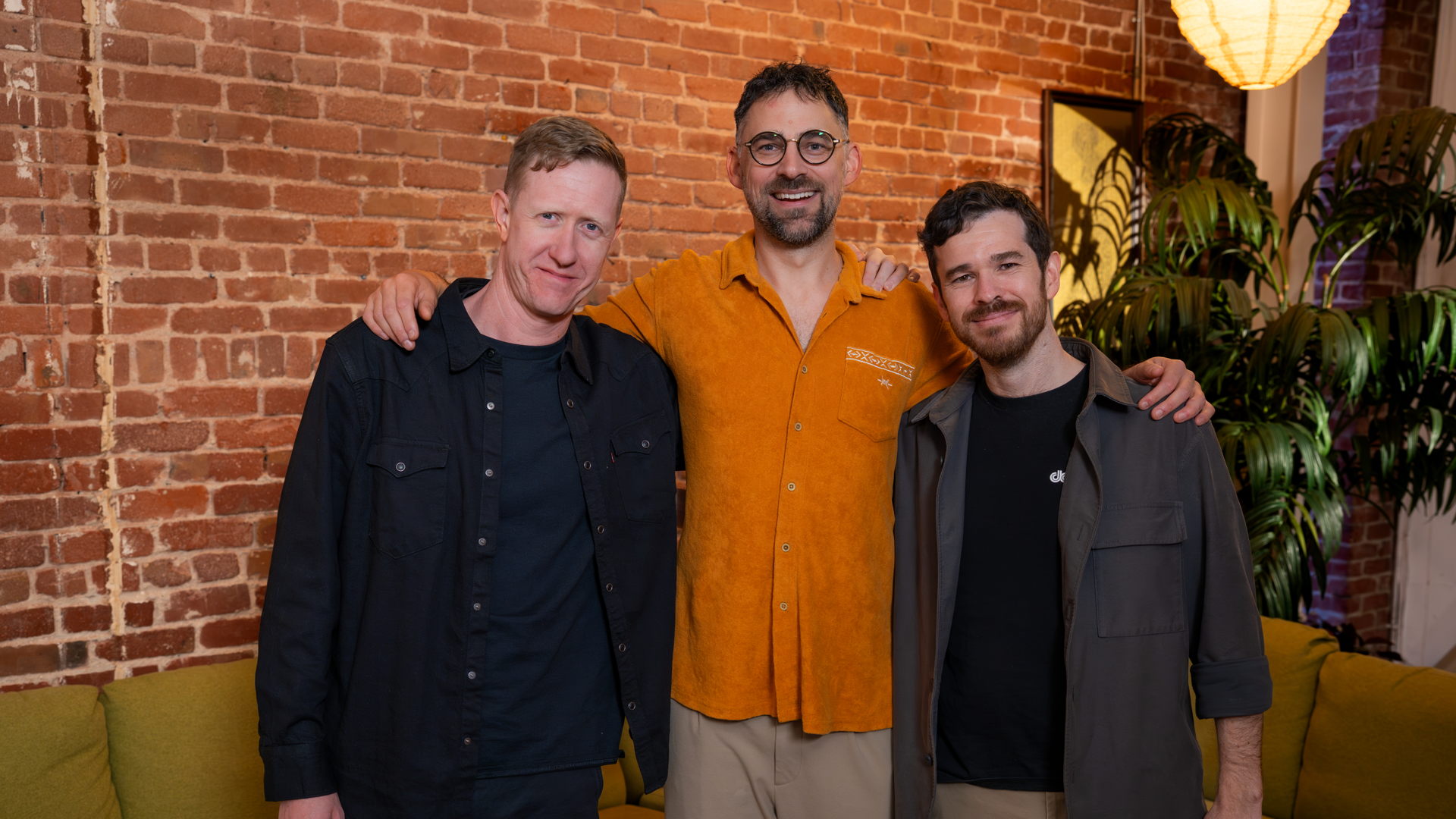
In a recent conversation with fundraising coach and author Mallory Erickson and Dataro Growth Officer Salvatore Salpietro, one idea kept surfacing: donor relationships work a lot like human relationships. When you show care in the wrong way, it can still miss.
The point is not to turn fundraising into dating. The point is to stop projecting our preferences onto donors, and start learning what actually makes them feel valued, seen, and motivated to stay.
Below is a practical breakdown of the “five love languages of donor relationships” and how to apply each one.
Why “love languages” belong in donor retention
Mallory shared a relationship dynamic that will feel familiar.
People often give love the way they prefer to receive it. In a marriage, that can create disconnect. In fundraising, it shows up like this:
“I do not like phone calls, so I do not call donors.”
“I would want a long thank you letter, so I send long thank you letters.”
“Our mission statement is clear, so I keep repeating it.”
Then we wonder why donors disengage, lapse, or never deepen.
A useful reframe is this: donor fatigue is often not about volume. It is about relevance and relationship.
The five love languages (for donors)
This framework works a little differently than romantic love languages.
In a relationship, you might have one or two primary love languages and not care much about the rest. In fundraising, these are needs that most donors have, but each donor wants them expressed differently.
Being known (and seen)
This is the foundation: belonging.
When donors feel anonymous, they start to question whether they matter and whether the organization actually sees them. That can show up in small moments:
A generic thank you that could have been sent to anyone
Communication that ignores preferences (channel, frequency, mail vs email)
Outreach that clearly does not reflect who the donor is or what they care about
Practical ways to show “being known”:
Acknowledge what you know about their “why,” when you have it.
Respect stated preferences consistently.
Make it obvious why the message is meant for them.
Meaningful impact (defined by the donor)
Most nonprofits try to communicate impact. Many still miss.
One common mistake is treating “impact” as repeating the mission statement. Vision statements can be many steps removed from what a donor feels they supported today.
Donors need help connecting:
what they did to what changed to why that matters (to them)
And “meaningful” is personal. Two donors can support the same program for totally different reasons.
Practical ways to express meaningful impact:
Tie updates to the donor’s past behavior when possible (campaigns supported, issues engaged with).
Be concrete and close to the gift.
Use examples that reflect the donor’s lens, not internal jargon.
Thoughtful engagement (relevance beats volume)
A strong test for donor comms is whether each touchpoint answers:
Why them?
Why now?
If you cannot answer those, the message starts to feel like box-checking, which is where “fatigue” often comes from.
A key reframe here: you do not need fake urgency. You need relevance.
Practical ways to create thoughtful engagement:
Segment by interests, behavior, and channel preference.
Stop defaulting to a weekly email “because we always do.”
Prioritize quality over quantity, especially in inbox-heavy seasons.
Trust and transparency (operational transparency builds confidence)
Trust is not built by saying “trust us.”
It is built by reducing uncertainty.
Donors often understand what you do and why you exist. What they do not always understand is how things work and how progress happens. Sharing “operational transparency” helps donors feel more confident staying close.
Practical ways to build trust and transparency:
Show progress, not just outcomes.
Explain the “how” between the gift and the result.
Make it easy for donors to give feedback (and acknowledge it).
Invitation and agency (help donors cross the action line)
The fifth love language is about inviting donors deeper without removing choice.
An invitation is not the same as pushing one preferred action. Agency means giving donors ways to engage that match their motivation and their ability.
If you ask someone to take an action they cannot realistically take, it does not matter how motivated they are.
Practical ways to create invitation and agency:
Offer multiple ways to engage (give, volunteer, attend, learn, share, reply).
Match asks to demonstrated capacity and behavior, not arbitrary thresholds.
Use preferences and signals to make invitations feel appropriate.
The retention lesson hiding in plain sight: the thank you call
One of the simplest plays discussed was also one of the most powerful: a timely thank you call.
Not a transactional call. No ask. Just appreciation and belonging.
Even when it is “just a thank you,” a phone call can feel vulnerable for fundraisers. Consider a team ritual (scheduled “call time,” buddy system, or shared time block) to make it easier to execute consistently.
The takeaway: pick one “love language” to improve this month
Do not try to overhaul everything at once.
Pick one love language and go deeper:
Improve how you show donors they are known.
Make impact more personal and specific.
Make engagement more relevant by answering “why them, why now.”
Increase transparency to build trust.
Offer clearer invitations with real agency.
One focused improvement compounds.
Because in fundraising, as in relationships, the goal is not more communication.
The goal is connection.
Related articles
Find more nonprofit fundraising and data insights from the Dataro team.