Real-time vs. post-campaign reporting: how fast can you see results?
Strategy & Frameworks

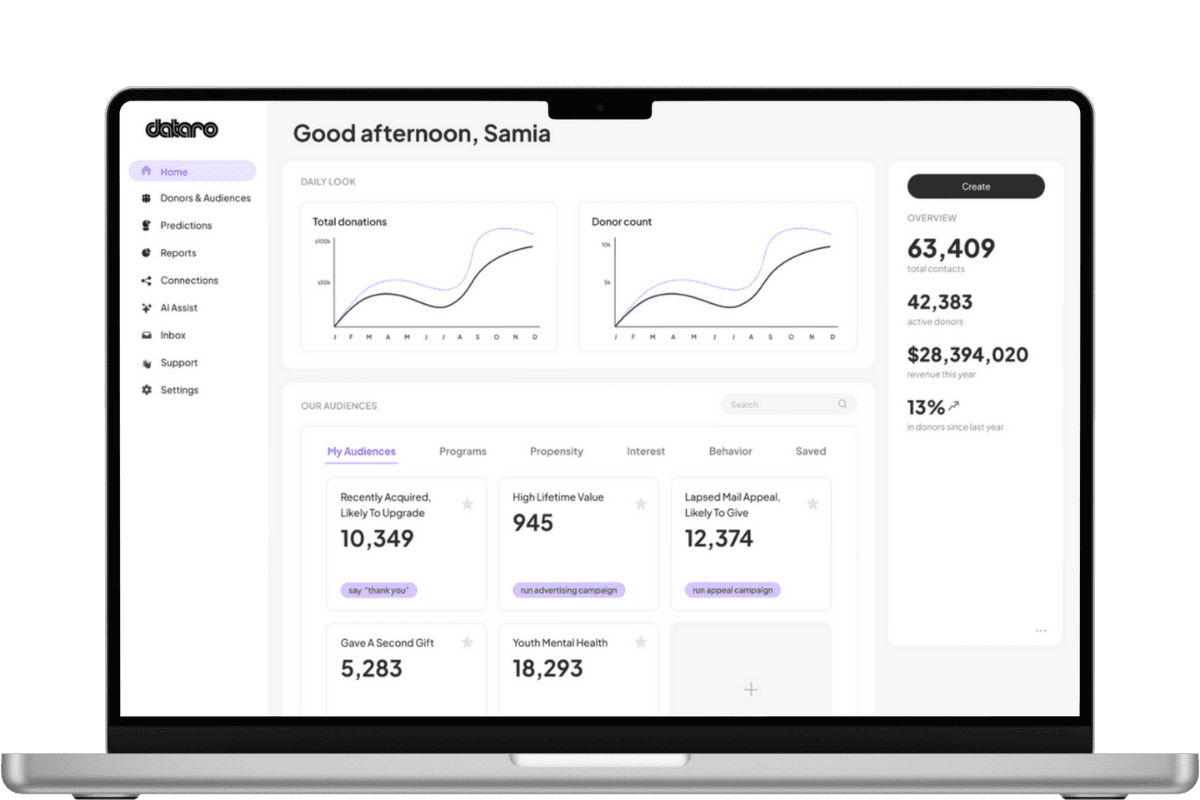
In-flight analytics show performance while a campaign is live, so teams can act before the window closes instead of waiting weeks for post-campaign reports.
Real-time analytics shows results in hours, not weeks
Traditional post-campaign reporting tells you what happened after the appeal is over, while real-time, in-flight analytics tells you what is happening while the campaign is still live. That gap defines the whole story, because one view arrives too late to change anything and the other arrives in time to act.
For fundraising teams, the question is practical: how fast can you see performance, and what decisions does that speed actually enable?
What is in-flight campaign analytics?
In-flight campaign analytics measures a campaign while it runs. It tracks gifts, responses and channel activity as they come in, so you can adjust targeting, timing and spend before the appeal closes.
Post-campaign reporting does the opposite. It waits until the campaign ends, reconciles the data and produces a summary. By then the decisions that mattered have already been made.
How quickly can you see performance?
With post-campaign reporting, most teams wait weeks. Direct mail is the slowest. Matchback, the process of matching offline gifts back to the people you mailed, often lands 6 to 12 weeks after a drop. Multichannel attribution adds more lag, because gifts arrive across mail, email and digital at different speeds and have to be stitched together.
In-flight analytics compresses that timeline. Digital response shows up the same day, and early mail and phone results build a reliable read within days rather than months. You still run matchback later for a clean final number, but you no longer wait for it to start making decisions.
The real difference is not a nicer dashboard, it is time. Speed turns measurement into a steering tool you can use mid-campaign, instead of a report you file once the appeal is already over.
What decisions does speed actually enable?
Seeing results early only matters if it changes what you do next. Here is what in-flight data lets a team do while the campaign is still running.
Shift budget toward what works. If one segment or channel is outperforming, you can move spend to it before the window closes, not after.
Cut waste early. If a segment is not responding, you can suppress it from the next wave and protect net revenue. This is precision in practice: mail fewer people with confidence.
Act on the next-best opportunity. Propensity scores rank each donor by how likely they are to give, upgrade or lapse. In-flight, those scores point you to the next-best move for each person: who to call now, who to hold, who to route to another program.
Fix timing. If response is slow, you can adjust send times or add a reminder touch while it still counts.
Post-campaign reporting enables none of this, because it can only inform the next campaign, while in-flight analytics improves the one you are actually running.
In-flight analytics vs post-campaign reporting
Factor | In-flight analytics | Post-campaign reporting |
|---|---|---|
Timing of insight | Same day to a few days | Weeks after the campaign ends |
Matchback lag | Used later for the final number, not for decisions | Blocks reporting until gifts are matched |
Attribution across channels | Read early signals as they arrive | Wait for full multichannel reconciliation |
Decisions enabled | Shift budget, suppress, retarget, upgrade mid-campaign | Plan the next campaign only |
Main trade-off | Early numbers are directional, not final | Numbers are final but arrive too late to act |
Best use | Steering a live campaign | Clean record of what happened |
What is the trade-off?
In-flight numbers are directional. Early data moves as more gifts arrive, so a Day 3 response rate is not the final one. Teams that treat an early read as a finished result can overreact.
The fix is to use each view for its job. Use in-flight analytics to steer the campaign. Use post-campaign reporting, including full matchback, for the clean final record and for planning. You do not have to choose one. You do need to stop waiting on the slow view to make decisions that cannot wait.
How to put this into practice
You do not need to rebuild your stack to work this way. Start here.
Pick two or three live signals that predict the final result, such as early response rate and average gift by segment.
Set simple decision rules before the campaign starts, so you know what an early number will trigger.
Layer propensity scores on your file so in-flight data points to the next-best action for each donor, not just a segment total.
Keep matchback for the final reconciliation, and compare it to your in-flight read to sharpen the next campaign.
Use each view for what it does best
Post-campaign reporting answers one question: what happened? In-flight analytics answers a more useful one: what should we do right now? The first view is a record of the past, while the second is a decision you can still influence.
Measurement that arrives weeks late can only shape your next appeal. Measurement that arrives while the campaign is live can protect net revenue, cut waste and route effort to the donors most ready to give. For teams under pressure to do more with less, that speed is where the gain is.
Related articles
Find more non-profit fundraising and data insights from the Dataro team.